
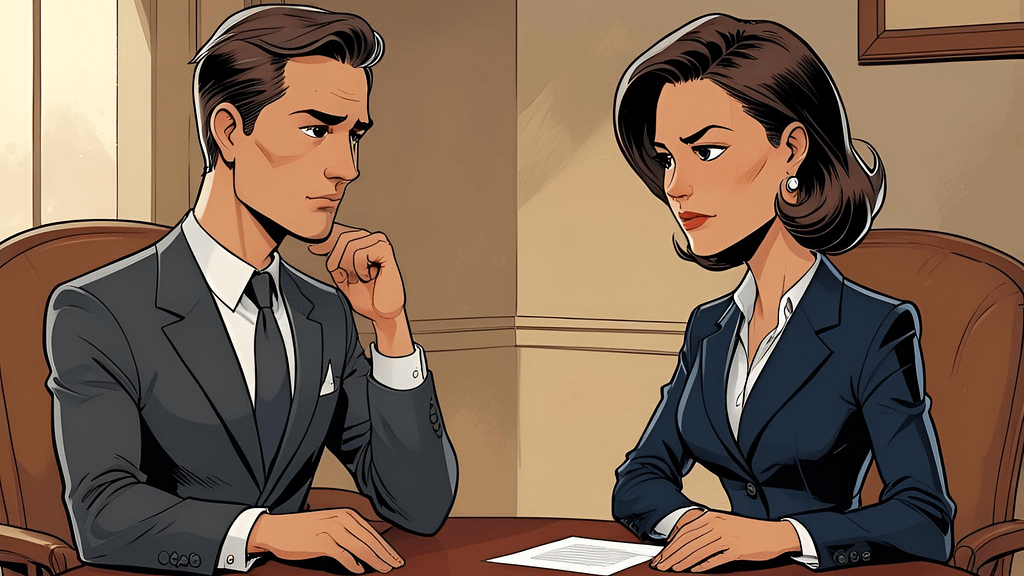
Navigating through disagreements and disputes is a skill vital to both personal and professional relationships, and understanding how to resolve conflict effectively can transform challenges into opportunities for growth and understanding. “How to Resolve Conflict: Learn Simple Ways” serves as a comprehensive guide, offering practical strategies and insights designed to equip individuals with the tools necessary to approach conflicts constructively. Whether you’re dealing with a minor disagreement with a friend or a significant issue in the workplace, this guide provides straightforward, effective methods to foster communication, promote understanding, and find mutual resolutions that strengthen relationships rather than strain them.
Understanding Conflict and Its Impact
Conflict is an inevitable part of human interactions, manifesting in various aspects of our personal, social, and professional lives. Understanding the nature of conflict, its causes, and effects, as well as the need for effective resolution techniques, is crucial for maintaining healthy relationships and well-being.
What is Conflict?
Conflict arises when individuals or groups perceive a threat to their needs, interests, or concerns. It is a situation where parties involved see their perspectives, goals, or values as incompatible, leading to a disagreement. The roots of conflict can be diverse and complex, but it is often rooted in fear.
Types of Conflict: Personal, Professional, and Social
Personal Conflict occurs within an individual’s inner sphere, involving personal values, ethics, emotions, or desires. It can manifest in relationships with friends and family, leading to strain and distress. One of the most impactful forms of personal conflict, and the most common, is conflict within ourselves.
Professional Conflict emerges in the workplace among colleagues, between employees and management, or with external stakeholders. These conflicts can arise over differences in project direction, resource allocation, or workplace policies and can affect team dynamics and productivity.
Social Conflict encompasses a broader spectrum, occurring within or between communities, cultures, or societal groups. These conflicts often involve issues of rights, values, laws, and social justice, and can escalate into larger protests or movements.
How Unresolved Conflict Affects Mental and Emotional Well-being
Unresolved conflict can have profound effects on mental and emotional health. Continuous exposure to stressful situations without resolution can lead to anxiety, depression, and stress-related illnesses (estimates show that between 60-90% of doctor visits are stress related). Conflict impacts individuals’ self-esteem, leading to feelings of frustration, anger, or helplessness. In personal relationships, unresolved conflicts can erode trust and intimacy, causing long-term damage.
Key Strategies for Effective Conflict Resolution
Conflict, when addressed healthily and constructively, offers an opportunity for growth, understanding, and stronger relationships. The process towards effective conflict resolution involves thoughtful planning, the right communication strategies, and a conducive environment. Below are key strategies that can guide you through resolving conflicts in a manner beneficial to all parties involved.
Addressing Conflict Directly and Constructively
Directly addressing conflict might seem daunting, but it’s crucial for resolution. This approach involves acknowledging the conflict, initiating a discussion with the involved parties, and expressing thoughts and feelings in a clear, non-confrontational manner. Here’s how to do this effectively:
- Be Clear and Specific: Rather than making general complaints, be clear about what particular actions or behaviors are causing distress.
- Use “I” Statements: Communicate your feelings and perceptions using “I” statements to avoid placing blame or making the other person defensive.
- Listen Actively: Give the other person your full attention, acknowledge their feelings, and confirm your understanding of their perspective.
- Seek Common Ground: Identify areas of agreement or mutual interest that can form the basis for a resolution.
Choosing the Right Time and Place for Discussion
The setting in which you choose to discuss the conflict plays a significant role in how the conversation unfolds. Consider the following when selecting the right time and place:
- Privacy: Opt for a private setting to ensure the conversation remains confidential and to allow all parties to speak freely without fear of judgment or outside interference.
- Neutral Territory: Choose a location that does not give undue advantage or discomfort to any party, ensuring a level playing field.
- Minimize Distractions: Select a time and place where interruptions will be minimal, allowing for focused and uninterrupted dialogue.
- Appropriate Timing: Ensure that all parties are in a receptive state of mind, not preoccupied, stressed, or under time pressure.
Planning Ahead: Preparing for Difficult Conversations
Entering a discussion without preparation can lead to heightened emotions and misunderstanding. Here are some steps to prepare for a constructive conflict resolution conversation:
- Identify Your Objectives: Know what you hope to achieve from the conversation. Whether it’s to understand the other party’s perspective, to find a compromise, or simply to express your feelings, having a clear objective helps guide the discussion.
- Anticipate Reactions: Consider how the other party might respond to your points. This can help you prepare for counterarguments and think about ways to keep the conversation on track.
- Practice Your Opening Statement: How you begin the conversation can set the tone for the entire discussion. Practice a calm, non-accusatory opening that invites dialogue rather than defensiveness.
- Prepare to Listen: Remind yourself of the importance of listening to the other party’s perspective. Be open to new information that might change your understanding of the situation.

The Role of Communication in Resolving Conflict
Effective communication is the cornerstone of successful conflict resolution. It facilitates understanding, helps to de-escalate tensions, and creates a pathway to mutual respect and solutions. The quality of communication during a conflict can determine whether the conflict is resolved positively or if it escalates further. This section explores core aspects of communication that are critical in resolving conflicts: active listening, the use of “I” statements, and nonverbal communication.
Active Listening: How to Hear and Understand Others
Active listening is a communication skill used to foster understanding, empathy, and rapport between people. In the context of conflict resolution, it involves fully concentrating, understanding, responding, and then remembering what is being said. Here are steps to practice active listening:
- Give Your Full Attention: Look at the speaker directly and put aside distracting thoughts to truly listen.
- Show That You’re Listening: Use your own body language and gestures to convey your engagement with the speaker, such as nodding occasionally or using prompts like “mm-hmm” to encourage them to continue.
- Provide Feedback: Reflect on what has been said by paraphrasing. Ask questions to clarify certain points. “What I’m hearing is…”, “Sounds like you are saying…” are good starters.
- Defer Judgment: Allow the speaker to finish each point before asking questions. Avoid interrupting with counterarguments during their share.
- Respond Appropriately: Active listening is a model for respect and understanding. Be candid, open, and honest in your response.
Using “I” Statements to Express Feelings Without Blame
“I” statements are a powerful tool in conflict resolution for expressing feelings, needs, and concerns without casting blame on the other party, which can lead to defensiveness. This format helps to take ownership of one’s feelings and communicates them in a way that is less likely to provoke a negative response. Here’s how to construct an “I” statement:
- Feel: Start by expressing your feeling or emotion. For example, “I feel frustrated…”
- When: Describe the specific behavior that is affecting you. “…when meetings start late…”
- Because: Explain why the behavior affects you this way. “…because it makes me feel like my time isn’t valued.”
- I Need/Want: Conclude by stating what you need or want. “…I would appreciate if we could start on time.”
The Power of Nonverbal Communication in Conflict Resolution
Nonverbal communication plays a crucial role in conflict resolution. It can reveal underlying feelings, reinforce what is being said, and either build trust or exacerbate tensions. Paying attention to body language, eye contact, tone of voice, and facial expressions is vital. After all only 7% of a message is conveyed through words, 38% through tone of voice, and 55% through body language.
- Maintain Open Body Language: Avoid crossing your arms or legs, which can seem defensive. Lean slightly forward to show interest and engagement.
- Foster Eye Contact: Appropriate eye contact conveys honesty and willingness to listen. It can also help gauge the other person’s responses or feelings.
- Monitor Your Tone: Your tone of voice should be calm, soft, and encouraging, not patronizing or aggressive. This helps to diffuse tension.
- Be Mindful of Facial Expressions: Your facial expressions should match the message you are trying to communicate. Beware of expressions that can be interpreted as contempt, such as rolling your eyes.
Managing Emotions During Conflict
Conflict, by its very nature, can evoke strong emotions and lead to fear and stress, which greatly influences our ability to resolve disputes effectively. Managing emotions during conflict is not about suppressing feelings but about understanding and regulating them to achieve a constructive outcome. This section explores the impact of stress on conflict resolution and decision-making, offers techniques for staying calm and emotionally regulated, and highlights the importance of emotional intelligence in navigating conflicts.
How Stress Impacts Conflict Resolution and Decision-Making
During conflict, the body’s stress response can be triggered, leading to a range of physiological and psychological effects. Stress can:
- Narrow your focus, making it difficult to see the bigger picture or consider alternative solutions.
- Heighten emotional reactions, leading to responses that are more aggressive or defensive than intended.
- Impair judgment and decision-making, as the brain switches to a ‘fight or flight’ mode, reducing our ability to weigh options carefully.
- Decrease effective communication, as stress can lead to misinterpretation of cues and hinder our ability to listen actively.
Understanding the impact of stress is the first step toward managing emotions during conflicts effectively and steering situations toward resolution rather than escalation.
Techniques to Stay Calm and Emotionally Regulated
Maintaining calmness and emotional regulation during conflict is challenging, but it is the most crucial first step to resolution. The following techniques can help:
- Deep Breathing: Slow, deep breaths can help reduce stress response and allow you to maintain composure. It’s a simple yet powerful tool to regain emotional equilibrium.
- Pause Before Responding: Taking a moment before reacting can prevent impulsive, emotion-driven responses. Use this time to organize your thoughts and consider your words carefully.
- Use Relaxation Strategies: Techniques such as progressive muscle relaxation or visualization can reduce stress levels and help maintain a calm demeanor.
- Limit Negative Self-Talk: Shift your internal dialogue to be more positive and solution focused. This can reduce the emotional intensity you bring to the conflict.
- Mindfulness and Meditation: Regular practice of mindfulness and meditation can improve your baseline levels of stress and enhance your ability to remain calm under pressure.
Developing Emotional Intelligence for Better Conflict Management
Emotional Intelligence (EI) plays a significant role in managing emotions during conflict. EI involves:
- Self-awareness: Recognizing your own emotions, triggers, and responses.
- Self-regulation: The ability to control or redirect disruptive emotions and impulses.
- Empathy: Understanding the feelings of others, even when they’re not explicitly expressed.
- Social skills: Managing relationships and building rapport to move people in the desired direction.
Developing EI can transform how you approach conflict, allowing for more empathetic interactions and effective resolutions. Enhancing your emotional intelligence involves introspection, practice, and feedback from others. By becoming more aware of your emotional triggers and how you respond to them, you can choose to handle situations differently. Training in emotional intelligence often includes learning how to listen actively, communicate assertively, and handle stress productively.

Conflict Resolution Techniques for Different Situations
Conflict, a common element in human interactions, presents challenges across various settings—personal lives, workplaces, and group dynamics. Successfully navigating these disputes requires tailored approaches, insight, and a commitment to positive outcomes. This section aims to equip you with strategies to address conflicts in personal relationships, manage workplace disputes effectively, and handle conflicts within group or team settings constructively.
Resolving Conflicts in Personal Relationships
Personal relationships, be it with family, friends, or partners, are often tested by conflicts arising from communication breakdowns, mismatched expectations, or personal differences. The following strategies can help steer these conflicts toward resolution:
- Practice Empathy: Strive to understand the other person’s perspective and feelings, even if you disagree. Empathy can bridge emotional divides and foster a supportive dialogue.
- Communicate Openly and Honestly: Use clear and compassionate communication. The courage to express your thoughts and feelings, paired with a willingness to listen, can uncover the root of the conflict.
- Focus on the Issue, Not the Person: Target the problem you face together rather than attacking each other. This shift in focus can turn a confrontation into a collaborative problem-solving session.
- Seek Compromise and Collaboration: Look for solutions that satisfy both parties. Sometimes, this means compromising or coming up with a creative solution that considers both sets of needs and desires.
- Take a Pause if Needed: Recognize when emotions are running too high and take a break from the discussion. This cooling-off period can prevent hurtful comments and allow for clearer thinking.
- Know Your Goal: Understand what outcome you are trying to create. A useful tool for this is creating a goal statement such as, “I want my spouse to clean up after themselves without them getting upset about me for asking them to.” The goal statement example is in the form of “I want (positive outcome) without (negative outcome).”
Managing Workplace Disputes Effectively
Workplace disputes can significantly impact productivity and morale. Addressing these professionally and proactively is crucial:
- Identify the Core Issues: Begin by understanding the root causes of the dispute without making premature judgments. Accurate problem identification is key to effective resolution.
- Encourage Open Dialogue: Create a safe space for all parties to voice their concerns without fear of repercussion. This can help in uncovering hidden issues and misunderstandings.
- Implement Structured Mediation: Sometimes, a neutral third party can help mediate the conflict, offering an unbiased perspective that can facilitate a fair resolution.
- Develop Clear Action Steps: Agree on a concrete plan of action with defined steps for resolving the dispute. This might include changes in procedures, roles, or communication strategies.
- Reinforce a Positive Culture: Promote a workplace culture that values respect, diversity of thought, and open communication. A positive environment can prevent conflicts and make them easier to resolve when they do occur.
Frequently Asked Questions
The five main strategies for resolving conflict are avoiding, where one chooses not to engage with the conflict; accommodating, which involves yielding to the other’s requests; competing, a more confrontational approach to assert one’s position; compromising, where both parties make concessions; and collaborating, which seeks a win-win situation by addressing the needs of all parties involved.
The best way to deal with conflict is through collaboration. This method encourages open and honest communication, ensuring that all parties’ needs and concerns are considered, fostering a solution that benefits everyone involved. Collaboration not only resolves the immediate dispute but also strengthens relationships and promotes mutual respect.
The 3 C’s for resolving a conflict are Communication, Compromise, and Cooperation. Effective communication involves clear, honest, and respectful exchange of ideas and feelings; compromise requires both parties to make concessions to find a mutually acceptable solution; and cooperation emphasizes working together towards a common goal, ensuring a cohesive approach to resolving the conflict.
To let go of a confrontation, acknowledge and accept your feelings without judgment. Understand that dwelling on it doesn’t aid your growth or peace. Reflect on the situation to grasp both perspectives and learn any lessons. Embrace forgiveness towards yourself and others to release negative emotions. Shift your focus to positive actions and self-care, making a deliberate choice to move beyond the confrontation and not let it control your emotions or thoughts.
Deciding whether it’s better to fight or walk away depends on the context and your values. If standing your ground addresses a crucial issue or defends your fundamental rights, fighting for what you believe in might be necessary. However, if the conflict is likely to lead to unnecessary stress or harm without a constructive outcome, walking away can be a healthier choice. The key is to assess the situation, consider the potential outcomes, and choose the path that aligns with your well-being and principles.