
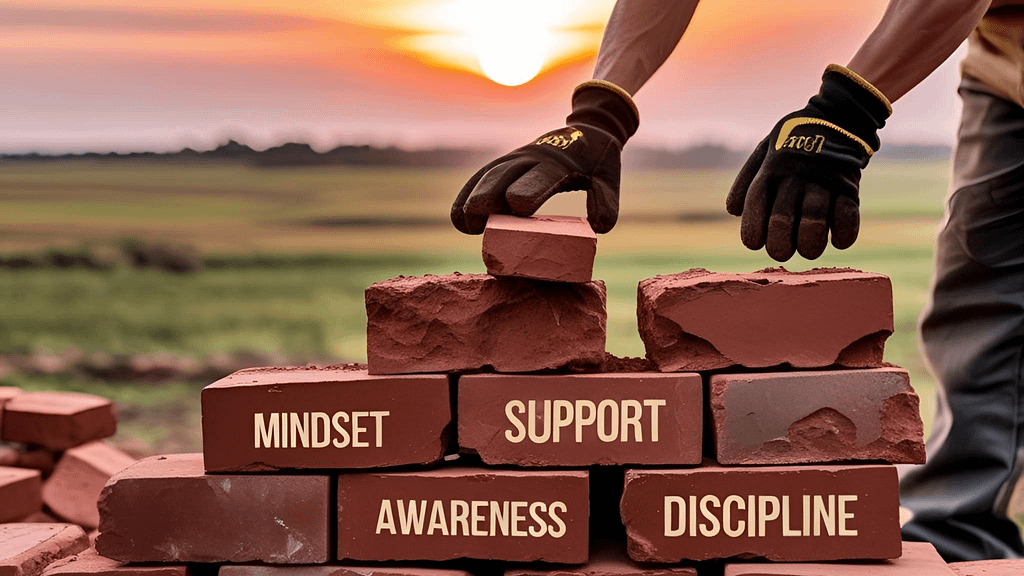
Resilience is like a muscle; the more you work on it, the stronger it gets. Learning how to build resilience can help you face life’s challenges with more confidence, less stress, greater results, and with a secured sense of inner peace on the other side. In this article, we’ll explore what psychological resilience is, why it’s important, and provide practical strategies and core components for strengthening your mental fortitude. Whether you’re facing personal difficulties or just want to improve your ability to handle stress, this guide can help you develop the resilience you need to bounce back stronger than ever.
Understanding Resilience and Its Importance
Resilience is not an innate trait that people either have or do not have but a skill that can be developed over time through conscious effort. This section will dive into what psychological resilience entails, the science behind stress and adaptation, and the significance of resilience in today’s world.
What is psychological resilience?
Psychological resilience is the ability to mentally or emotionally manage a crisis or bounce back from crisis quickly. It involves maintaining stamina and positive emotional health despite experiencing hardship, trauma, or significant stressors. This dynamic process encompasses a positive attitude, optimism, the ability to regulate emotions, and the capacity to see failure as a form of helpful feedback.
The science behind stress response and adaptation
The human stress response, famously characterized as “fight or flight,” plays a significant role in how we adapt to challenges. This response, while beneficial in short bursts, can be damaging if persistently activated. Psychological resilience functions by moderating the stress response, allowing for a more adaptive response to challenges. It involves the prefrontal cortex, amygdala, and various neurotransmitter systems, working together to modulate our reactions to stress and adversity.
Why resilience matters in today's challenging world
Throughout human history, resilience has been a key factor In establishing a worthwhile life. Especially in the modern age, resilience is more than just a valuable asset; it’s a necessity. The increasing pace of change, societal pressures, and the global increase in mental health challenges underscore the need for resilience. It equips individuals to manage stress, overcome adversity, and rebound stronger. Whether in personal life, professional settings, or in the face of global challenges, resilience allows for sustained effort and perseverance towards goals, aiding in overall well-being and success.
Core Components of Building Resilience
Resilience is like a multifaceted gem, each facet contributing to its overall strength and brilliance. To enhance your resilience, focusing on its core components can provide a structured approach to becoming more adaptable and robust in the face of adversity. These components involve developing emotional awareness and regulation, cultivating a growth mindset, and building strong social connections. Let’s explore each of these aspects in more detail.
Developing emotional awareness and regulation
Emotional awareness and regulation are foundational for building resilience. Emotional awareness refers to the ability to recognize and understand your own emotions, as well as those of others. It’s about being conscious of how emotions influence thoughts and actions and being able to label your emotions accurately. As an extension, it is also identifying how your thoughts impact your energy and emotions, and choosing more empowering thoughts.
As far as regulating emotions, this involves managing and responding to your emotions in a healthy way. It’s not about suppressing what you feel but rather acknowledging your emotions and deciding how to act upon them. Techniques for enhancing emotional regulation include mindfulness practices, deep breathing exercises, and cognitive reappraisal strategies, which help to reframe negative thoughts into more positive or realistic ones.
Cultivating a growth mindset
Cultivating a growth mindset is crucial for resilience because it encourages perseverance in the face of setbacks and fosters a sense of purpose in learning and development. To nurture a growth mindset, focus on effort rather than innate talent, learn from feedback and criticism, and treat failures as learning opportunities. Celebrating small victories and progress also reinforces the belief in continuous improvement.
Building strong social connections
Humans are inherently social beings, and our relationships play a vital role in our well-being and resilience. Strong social connections provide emotional support, reduce feelings of isolation, and offer a sense of belonging. These connections, whether with family, friends, colleagues, or support groups, act as a buffer against stress and adversity.
Building and maintaining these relationships requires effort and intentionality. It involves showing up for others, actively listening, expressing empathy, and offering support. It’s also about being open to receiving help, allowing for a reciprocal exchange of care and support. Developing communication skills, engaging in community activities, and cultivating empathy are all ways to strengthen your social network.

Practical Strategies to Strengthen Your Resilience
Building resilience requires a multi-faceted approach that encompasses mental, emotional, and physical well-being. Practical strategies such as incorporating daily habits for mental toughness, engaging in physical exercise, and practicing mindfulness and meditation can significantly contribute to strengthening your resilience. Here’s how to incorporate these strategies into your life to build a robust foundation for mental fortitude.
Daily habits for mental toughness
Mental toughness is the ability to push through tough situations with a positive outlook and determination. Developing daily habits can significantly enhance this quality. Here are some habits to consider:
- Set Clear Goals: Start your day by setting clear and achievable goals. This provides direction and a sense of purpose, driving you to stay focused and resilient in the face of challenges.
- Practice Gratitude: Keep a gratitude journal and write down three things you’re thankful for each day. This can shift your mindset from focusing on problems to appreciating the positive aspects of your life, fostering resilience.
- Challenge Negative Thoughts: Actively challenge and reframe negative thoughts. When faced with doubts or negative self-talk, question the validity of these thoughts and replace them with more positive and realistic ones.
- Take Small Steps Outside Your Comfort Zone: Regularly stepping outside your comfort zone, even in small ways, can significantly enhance your resilience. It teaches adaptability and the confidence to handle unfamiliar situations.
Physical exercise and its impact on resilience
Physical exercise is not just beneficial for your physical health; it also plays a critical role in building psychological resilience. Engaging in regular physical activity can:
- Reduce Stress: Exercise releases endorphins, chemicals in the brain that act as natural painkillers and mood elevators, reducing stress and improving sleep.
- Enhance Self-Esteem: Achieving fitness goals, no matter how small, can boost confidence and promote a positive self-image.
- Improve Brain Function: Regular physical activity enhances cognitive function, leading to better problem-solving skills and a sharper memory, both crucial for resilience.
Incorporate activities you enjoy, such as running, cycling, yoga, team sports, or even hardcore MMA (if you’re into that kind of stuff) into your weekly routine for at least three days a week.
Mindfulness and meditation techniques
Mindfulness and meditation are powerful tools for strengthening resilience, but there are many misconceptions about meditation that stop people from engaging in it. Some of these misconceptions include the ideas that mindfulness is unscientific, that it is only a religious practice, or that the practice of meditation makes them soft or weak. Each of these ideas are indeed only barriers between us and the practice of mindfulness, and each can be easily dismissed. Why not just try it and see for yourself? They improve your ability to focus, reduce stress levels, and enhance emotional intelligence. Here are some techniques to get started:
- Mindful Breathing: Focus on your breath, noticing the sensations as you inhale and exhale. This can center your mind, bringing it back from wandering thoughts and relieving tension.
- Guided Meditation: Use guided meditation apps or videos to lead you through meditation practices. These can be particularly helpful for beginners to learn the basics of meditation.
- Body Scan Meditation: Pay attention to different parts of your body, noticing any tension or discomfort. This practice can help connect your mind and body, promoting relaxation and mindfulness.
- Mindful Walking: Take a walk and focus on the experience of walking, noticing the sensations in your feet and the sounds around you. It’s a simple way to practice mindfulness while engaging in physical activity.

Overcoming Adversity Through Resilience
Resilience doesn’t eliminate stress or erase life’s difficulties. Instead, it gives people the strength to tackle problems head-on, overcome adversity, and move forward with their lives. In the heart of resilience lies the ability to rebound from setbacks, adapt to change, and keep going in the face of adversity. By learning from past experiences, embracing change, and turning failures into stepping stones, individuals can navigate through life’s challenges with strength and grace. Let’s explore how these components play a crucial role in overcoming adversity through resilience.
Learning from past experiences
Past experiences, both positive and negative, are invaluable resources for building resilience. Reflecting on previous challenges and how you overcame them provides insights into your personal coping strategies and resilience. This reflection process helps in recognizing your strengths and areas for improvement. By analyzing past experiences, you can identify patterns in your response to adversity and apply these lessons to current or future challenges. It’s about asking yourself, “What worked last time?” and “What can I do differently now?” This mindset encourages a proactive approach to problem-solving and resilience building.
Adapting to change and uncertainty
Change and uncertainty can be daunting, yet they are an inevitable part of life. Resilient individuals understand that change is constant and that their power lies in their ability to adapt. Adapting to change involves maintaining a flexible perspective, staying open to new experiences, and being willing to modify your plans as circumstances evolve. Building a tolerance for uncertainty is also crucial. It means accepting that you cannot control everything and focusing instead on what you can control—your response to change. Strategies such as setting short-term goals, staying connected with your support network, and practicing self-care can enhance your ability to navigate through uncertain times with confidence.
Bouncing back from setbacks and failures
Setbacks and failures are not endpoints but part of the journey to success and growth. Resilient people view failures as opportunities to learn, grow, and improve. Instead of wallowing in self-pity or giving up, they analyze what went wrong, adjust their strategies, and try again with renewed determination. This ability to bounce back is fueled by a positive attitude, self-compassion, and an unwavering belief in one’s ability to overcome obstacles. Celebrating small wins and maintaining a sense of humor can also lighten the burden of setbacks, making the process of bouncing back more manageable and less intimidating.
Frequently Asked Questions
Building resilience involves practicing self-care, maintaining a positive mindset, strengthening social connections, identifying your goals, and developing problem-solving skills. Regular mindfulness and stress management techniques can also help. Remember that we can’t control everything that happens in our lives, but we can control how we react. Focus on what is in your control, and do what you can to harmonize with what you can’t.
There are eight key traits to resilient individuals. These include being: positive about what could happen, confident in your abilities, focused on priorities, open to possibilities, aware of limitations, organized in your approach, proactive, and mindful about your thoughts and reactions.
Resilience plays a crucial role in mental well-being by reducing stress, preventing burnout, and improving overall emotional stability. It helps individuals cope with anxiety, depression, and trauma more effectively.
Absolutely! Resilience is not an innate trait but a skill that can be developed through consistent practice. Engaging in positive habits, seeking support, and embracing challenges as learning opportunities can significantly enhance resilience.
Mindset has a more essential role in resilience than any other factor. A growth mindset—believing that abilities and intelligence can be developed—enhances resilience by encouraging individuals to view failures as learning experiences rather than setbacks. Our response to the world depends on how we see it, and how we see it is determined by our mindset.