
Tips to Improve Organizational Culture Today: A Quick Guide
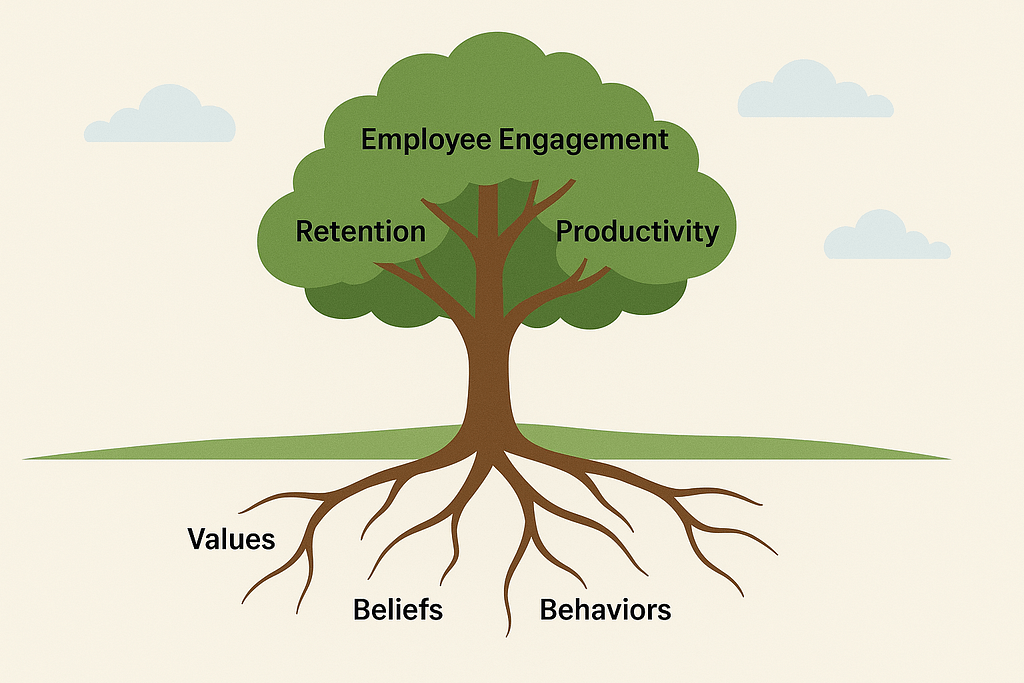
Improving your company’s culture isn’t just good for morale; it’s also essential to boost productivity and profitability. Whether you’re just starting to think about your organizational culture or you’re looking to revamp existing structures, this guide offers straightforward advice to get you started. I’ll cover everything from the basic foundations of company culture, to strategies for transforming your workplace, and finally, how to build a culture that lasts.
For a deeper dive into the process of business culture design, you can explore additional insights that align strategy, values, and leadership practices to create a thriving company environment.
Ready to make your workplace better? Let’s dive in!
Understanding the Foundation of Organizational Culture
How would you define organizational culture? If you were to ask your team how they would define “organizational culture,” you would likely get a variety of answers. To be on the same page throughout this guide, we define a company’s organizational culture as the shared values, beliefs, and behaviors that shape the social environment of the workplace.
A strong, positive culture can boost employee engagement, retention, productivity, and innovation. Meanwhile, a toxic culture plagued by unhealthy norms (what I like to call a “chaotic culture”) can detrimentally impact the bottom line through high turnover, decreased motivation, widespread confusion, and more employee relations issues. Learning how to build resilience within your teams is an important first step to preventing such toxicity and promoting a more adaptable and supportive workplace.
All members of an organization influence the culture; however, the power behind any effective change starts with leadership and trickles down throughout the company. Executives and managers must role model desired mindsets and actions first.
Key Elements of Company Culture
Some key elements that influence company culture include:
- Leadership and management styles – Authoritarian vs participative leadership affects norms.
- Values and priorities communicated by leadership (and the congruency of them)
- Policies and procedures establishing guidelines for employee conduct
- Workspace layout and tools available for collaboration
- Recognition programs and incentives driving employee motivation
- Training and development investments in the workforce
- Work-life balance support through flexible schedules, remote work options, etc.
- Events and activities bringing people together and facilitating connections
Optimizing as many elements as possible to align with a defined cultural vision can profoundly improve the health of an organization’s culture — while also teaching teams how to resolve conflict in constructive and values-driven ways.
The Impact of Leadership on Cultural Development
An organization’s culture stems from its leadership. Executives and people managers serve as the role models that set priorities, communicate core values, and motivate teams toward positive norms. What ever qualities the leaders display in public like commitment, positive mental attitude, and care, the rest of the company follows suit.
Likewise, organizations struggling with unhealthy, toxic cultures typically have poor leadership. Leaders who micromanage teams or engage in abusive behaviors perpetuate harm throughout the ranks. Without proper accountability and intervention, negative cultural issues intensify over time.
Fortunately, committed leaders can turn problematic organizational cultures around. It starts with honestly evaluating shortcomings, followed by modeling desired changes first. Then, providing adequate training and resources empowers teams to align behaviors accordingly.
Assessing Your Current Cultural Climate
Quantifying the health of your organizational culture allows you to pinpoint areas for improvement. Conduct regular employee engagement surveys to gauge satisfaction and feelings of inclusion. Gather feedback on policies, manager relationships, leadership, training opportunities, workplace environment, and more.
Low morale measured on surveys indicates poor cultural elements, like ineffective leadership, limited growth opportunities, and insufficient work-life balance support. High turnover and exit interview themes further reveal weak spots needing change.
Additionally, track productivity metrics over time after implementing cultural improvement initiatives. Rising performance, engagement, and retention signal your efforts and investments have successfully enhanced the workplace environment and employee experience for the better.
Essential Strategies to Transform Your Workplace Culture
A positive company culture where employees feel engaged and empowered is key for business outcomes. Here are some strategies to improve organizational culture.
Establishing Clear Values and Mission Statements
With clarity comes power! Defining the core values and mission of a company provides employees a shared sense of purpose. Leaders should connect these statements to everyday tasks so team members understand how their work contributes.
For example, a call center that values customer service can relate that to employees patiently assisting each caller. This gives meaning to the job beyond just answering phones all day. Understanding how to be happy at work often begins with clarity of purpose and alignment between personal and organizational values.
Leaders should also lead by example in living the core values. Employees will adopt the behaviors they see modeled by management.
Ready to inspire transformation in your workplace culture?
Book Dylan Rogers for a speaking engagement and bring practical insights, energy, and proven strategies to your next company event.
Implementing Effective Communication Channels
Open, frequent, and congruent communication across all levels of the organization is vital for a healthy culture. Employees want to feel heard and have input in decisions impacting their work, so designing opportunities for them to do so reinforces a collaborative culture.
Channels for bottom-up communication like employee surveys, town halls, and an open door policy with leadership allow concerns to be raised early before escalating.
Peer recognition programs also empower employees to call out coworkers demonstrating behaviors aligned with company values.
Creating Recognition and Reward Systems
To motivate staff and reinforce cultural norms, businesses should implement systems to recognize and reward employee achievements. Of course there is no “one size fits all” for recognition, so to be effective with your recognition you need identify what the individual would prefer.
- Public peer-to-peer programs allow coworkers to acknowledge each other’s accomplishments with rewards like gift cards or extra time off.
- Leaderboards track metrics like sales targets met, customer satisfaction ratings, and project deliverables to celebrate top performers.
- Small gestures like employee of the month parking spaces and wall displays also boost morale and motivation.
By regularly recognizing those emulating desired cultural traits, leaders signal the types of attitudes and behaviors to adopt across the company.
Combining strategies like clarifying values, opening communication, and reinforcing norms through recognition transforms toxic cultures plagued by disengaged staff into thriving, collaborative workplaces.
Overcoming Common Challenges in Organizational Culture Transformation
Transforming an organizational culture is not an overnight endeavor. It will take consistent effort over a long duration to shift the culture into a more empowering direction, just like any real and worthwhile change. Even though it may not be easy, effectively navigating these obstacles is essential for fostering a healthy, vibrant, and successful workplace. This process often involves addressing resistance to change, bridging gaps between leadership and employees, and managing cultural shifts, especially in the contemporary context of remote and hybrid work environments. Below, we explore strategies to tackle these common hurdles.
Addressing Resistance to Change
Resistance to change is a natural human response, often fueled by fear of the unknown or comfort with the status quo. Overcoming this resistance is critical for a successful culture transformation.
Sometimes, resistance stems from internal struggles, such as low self-esteem or self-doubt. Encouraging personal growth programs that teach employees how do I stop hating myself–style self-compassion techniques can help reduce inner conflict and promote emotional well-being.
Strategies include:
- Effective Communication: Keep all communication channels open, transparent, and continuous. Explaining the reasons for change, the expected outcomes, and how it benefits everyone can help in reducing fears and uncertainties.
- Inclusivity in the Process: Involve employees at all levels in the planning and implementation phases of the transformation. This inclusion fosters a sense of ownership and participation in the change process.
- Offer Support and Training: Provide ample resources, training, and support to help employees navigate the change. Addressing individual concerns and offering personalized support can mitigate resistance.
- Celebrate Milestones: Recognize and celebrate achievements and milestones along the transformation journey. This helps in building momentum and showcasing the benefits of change.
Bridging Gaps Between Leadership and Employees
A disconnect between leadership and the workforce can derail cultural transformation efforts. Bridging this gap requires intentional strategies:
- Promote Open Dialogue: Encourage a culture of openness where feedback is sought and valued from all levels of the organization. Leadership must be approachable and willing to listen to employee concerns and suggestions.
- Leadership Role Modeling: Leaders should embody the cultural changes they wish to see, demonstrating commitment through their actions. This authenticity encourages employees to follow suit.
- Empower Middle Management: Middle managers often serve as the link between leadership and employees. Equipping them with the necessary tools, authority, and information to support their teams is pivotal.
- Transparency in Decision-Making: Share the rationale behind decisions, especially those that significantly impact the organization’s culture. This transparency builds trust and understanding across all levels.
Managing Cultural Shifts in Remote and Hybrid Workplaces
The rise of remote and hybrid workplaces presents unique challenges to maintaining and shifting organizational culture. Consider the following strategies:
- Reinforce Company Values: Make company values and culture explicitly clear through regular virtual meetings, communications, and company-wide events. This reinforcement helps maintain a cohesive culture despite physical distance.
- Use of Technology: Leverage technology to create an inclusive and engaging environment for all employees, regardless of their physical location. Virtual collaboration tools, social platforms, and digital events can foster a sense of belonging and community.
- Flexibility and Trust: Cultivate a culture of trust and flexibility, recognizing that remote and hybrid work models require different approaches to management and communication compared to traditional settings.
- Continuous Engagement: Implement digital engagement strategies and initiatives that keep remote and hybrid employees connected to the organizational culture. This could include virtual team-building activities, remote wellness programs, and digital recognition platforms.

Building an Empowering Cultural Framework
A empowering cultural framework within an organization is critical for promoting a healthy, productive, and innovative work environment. By prioritizing employee engagement, congruent communication, and the measurement of cultural progress, companies can create a resilient and adaptable culture. This culture not only attracts top talent but also retains it by ensuring that employees feel valued and understood. Below, we delve into each aspect of building this sustainable cultural framework.
Developing Employee Engagement Initiatives
Employee engagement initiatives are fundamental to cultivating a strong organizational culture. Such initiatives should aim to create a sense of belonging among employees, encouraging them to be fully present and motivated in their roles. Strategies to enhance engagement could include:
- Customized Professional Development: Offering tailored growth opportunities for employees to advance their skills and careers within the company.
- Recognition Programs: Developing systems to regularly acknowledge and celebrate employees’ achievements and milestones.
- Feedback Loops: Implementing open and transparent communication channels for employees to voice their suggestions, concerns, and feedback, ensuring they feel heard and valued.
A key to successful engagement is ensuring these initiatives are consistent and reflective of the company’s values, promoting a unified and positive workplace culture.
Measuring and Monitoring Cultural Progress
For a sustainable cultural framework to truly be effective, it must be measurable. Regularly tracking progress enables companies to understand the impact of their cultural initiatives and make data-driven decisions to enhance their effectiveness. Key measures include:
- Employee Surveys: Regularly distributing anonymous surveys to gauge employee sentiment on engagement, inclusion, and other aspects of the company culture.
- Retention Rates: Monitoring employee turnover rates as an indicator of the overall health of the organizational culture.
- Morale Metrics: Tracking morale metrics across various levels and departments within the organization to ensure inclusive growth.
Moreover, setting clear goals and benchmarks for cultural initiatives helps in evaluating their success and identifying areas for improvement. It’s important for organizations to view these metrics not as endpoints but as part of a continuous effort toward cultural refinement and growth.
Building a sustainable cultural framework is an ongoing process that demands commitment, reflection, and adaptation. By focusing on developing strong employee engagement initiatives, congruent communication, and measuring and monitoring cultural progress, organizations can cultivate an environment where employees thrive and contribute to their fullest potential. This framework not only benefits the individuals within the company but also strengthens the organization’s competitive edge in a rapidly changing business landscape.
Want to take your growth journey even further?
Discover Dylan Rogers’ life-changing book — a guide to personal and professional transformation that helps you build resilience, strengthen relationships, and find lasting happiness.
Improving organizational culture involves a multifaceted approach focusing on leadership, communication, and employee engagement. Leadership must embody the values they wish to see, setting a positive example and providing clear, consistent communication about cultural expectations and goals. Encouraging open feedback, recognizing and rewarding positive behavior, and offering opportunities for professional development can significantly enhance employee engagement and foster a supportive, high-performing culture.
The 5 C’s of culture change are: Clarity, Communication, Commitment, Consistency, and Celebration. Clarity involves clearly defining the new values, behaviors, and norms you wish to establish. Communication is key to ensuring everyone understands the changes and how they will be implemented. Commitment requires the unwavering support and dedication from leadership and all members of the organization. Consistency in applying the new cultural elements across all areas and levels ensures that the change is sustained over time. Finally, Celebration of milestones and achievements keeps the momentum going and reinforces the value of the changes made.
To enhance positive organizational culture, it’s pivotal to invest in clear, consistent communication and actively foster an environment of inclusion, trust, and mutual respect. This involves recognizing and celebrating achievements, promoting a work-life balance, a shared purpose, and providing opportunities for professional development and collaboration. By embedding these principles into the fabric of the organization, leaders can cultivate a positive culture that not only attracts but retains talent, encourages innovation, and boosts overall job satisfaction and performance.
The 5 P’s of corporate culture refer to Purpose, Principles, People, Practices, and Place. These elements are essential components that create the overall environment of a company. Purpose signifies the organization’s mission and vision; Principles outline the core values and ethics that guide behavior within the company; People emphasizes the significance of hiring, development, and leadership; Practices involve the policies and activities that make the values and principles actionable; and Place refers to the physical and virtual environments that support the company’s culture and values. Together, these 5 P’s shape the culture of a corporation, influencing how employees interact, how work is performed, and how the company presents itself to the outside world.
The four types of organizational culture, defined by the Competing Values Framework, include Clan Culture, which emphasizes an internal focus and values flexibility, creating a family-like atmosphere where mentoring and teamwork prevail; Adhocracy Culture, which focuses on external dynamics and flexibility, fostering innovation and risk-taking within a dynamic and entrepreneurial environment; Market Culture, characterized by its external orientation and emphasis on stability, where competitiveness and results are prioritized to achieve market success; and Hierarchy Culture, which focuses internally with a priority on stability and control, valuing structured environments, clear procedures, and reliable operations. These cultures reflect varying strategic orientations and operational approaches within organizations, each contributing uniquely to organizational effectiveness and adaptation.